
1750
Date of Construction of Palace 18
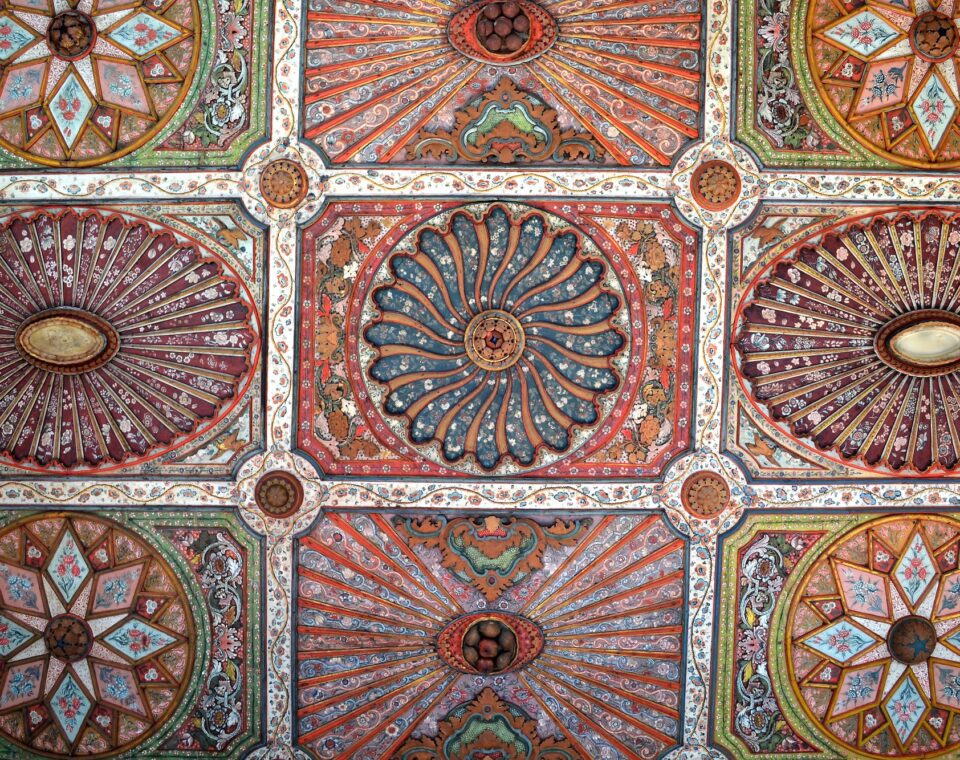
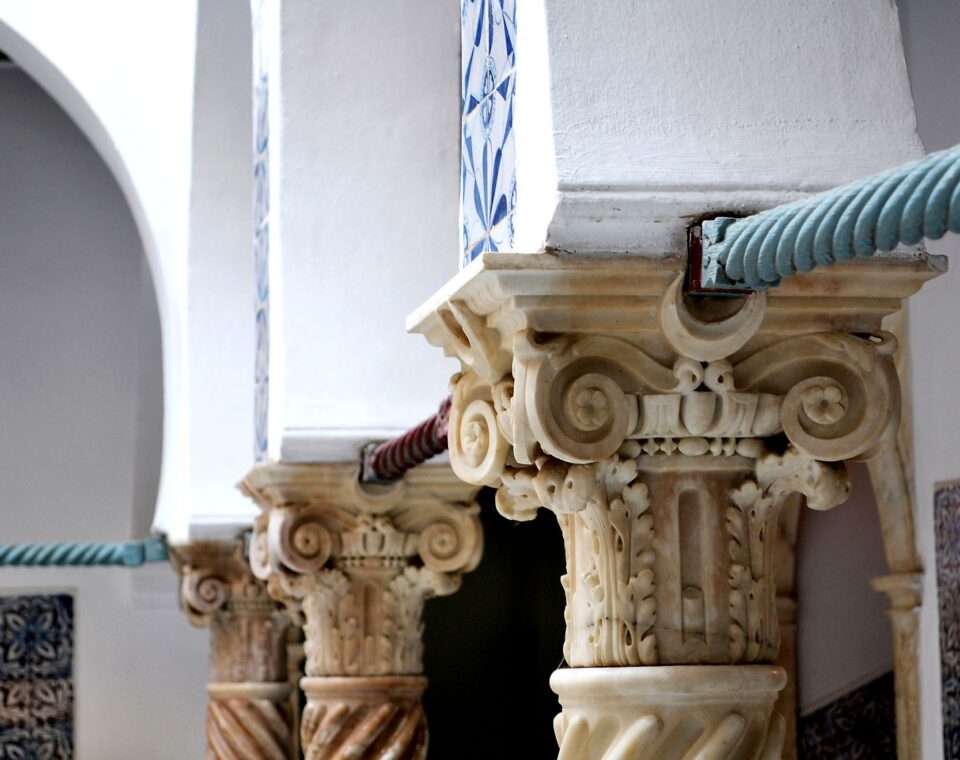
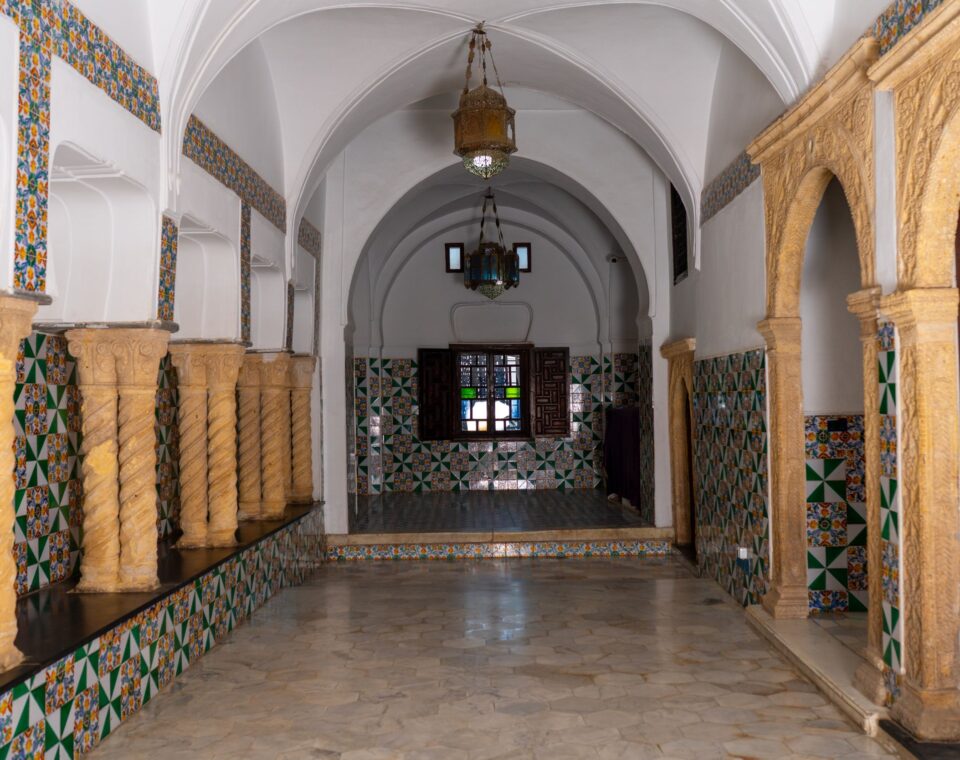
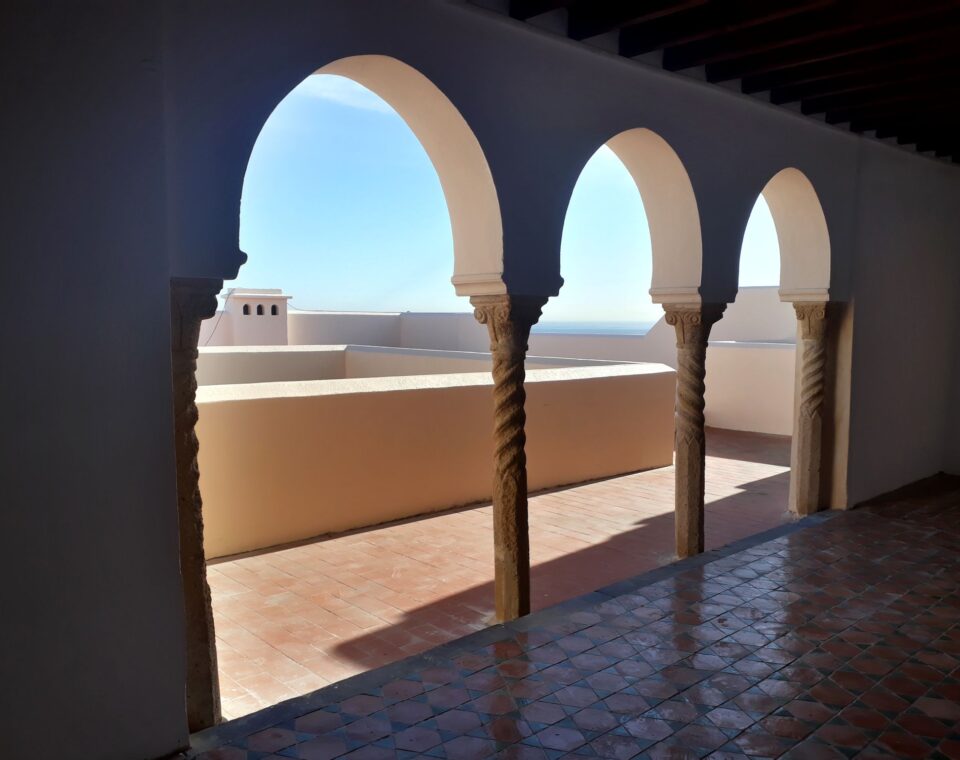
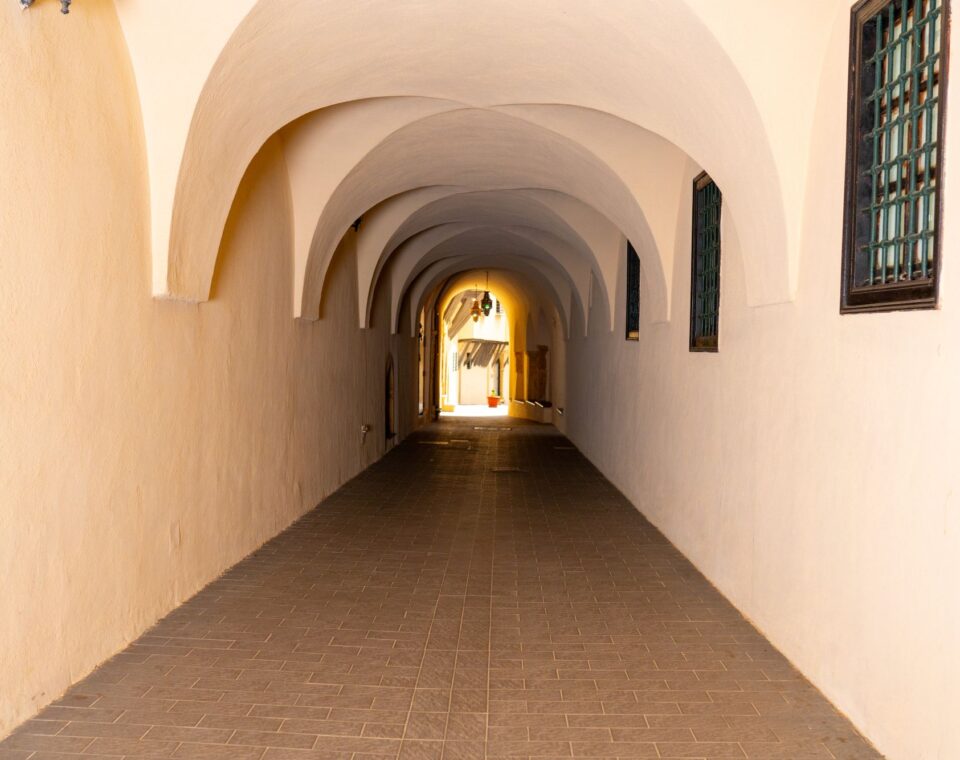
The construction of Palace 18 dates back to 1750. In 1797, it was acquired by Khaznadji Kara Mustapha, before being purchased the following year, in 1798, by Dey Mustapha Pasha, who made it his official residence. Beginning in 1800, Palaces 23 and 17 were built nearby, forming a remarkable architectural ensemble.
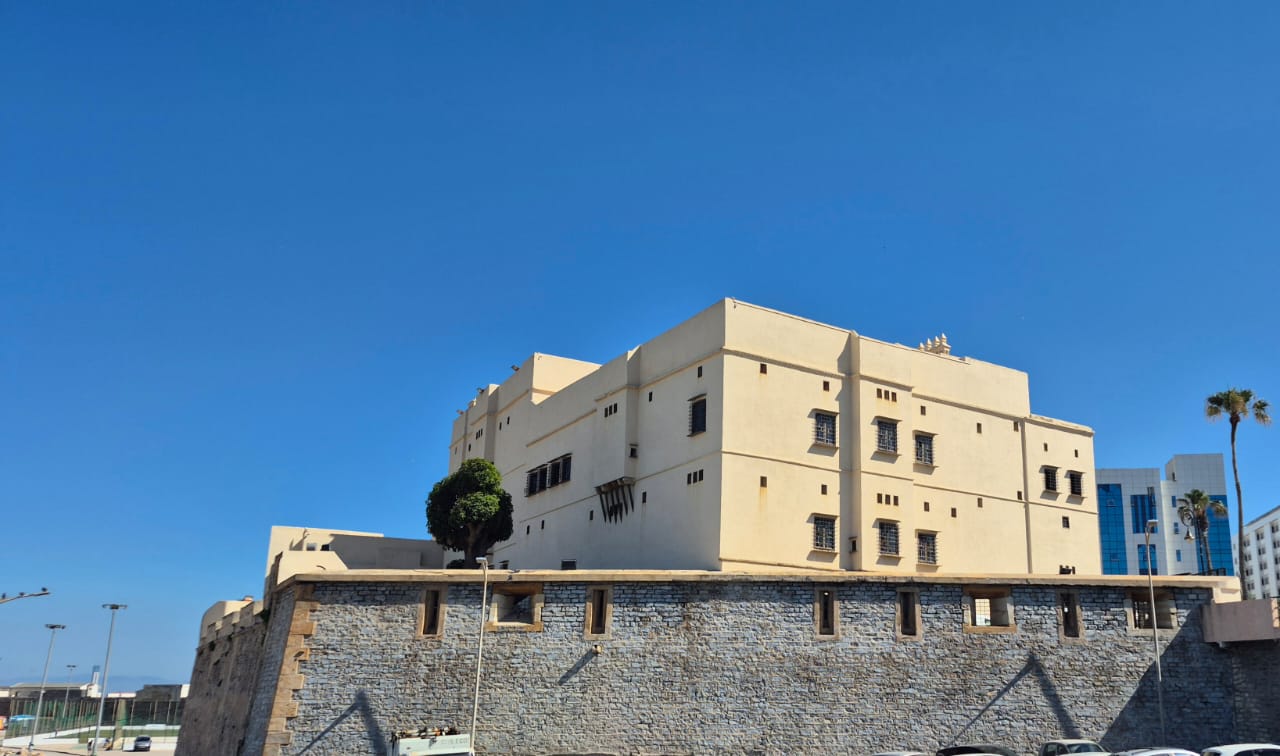
1962>
The Palace of the Raïs after Independence
After Algeria's independence, the Palais des Raïs served as a residence for several Algerian families until 1981, when its occupants were relocated to allow the Ministry of Culture to undertake its restoration.
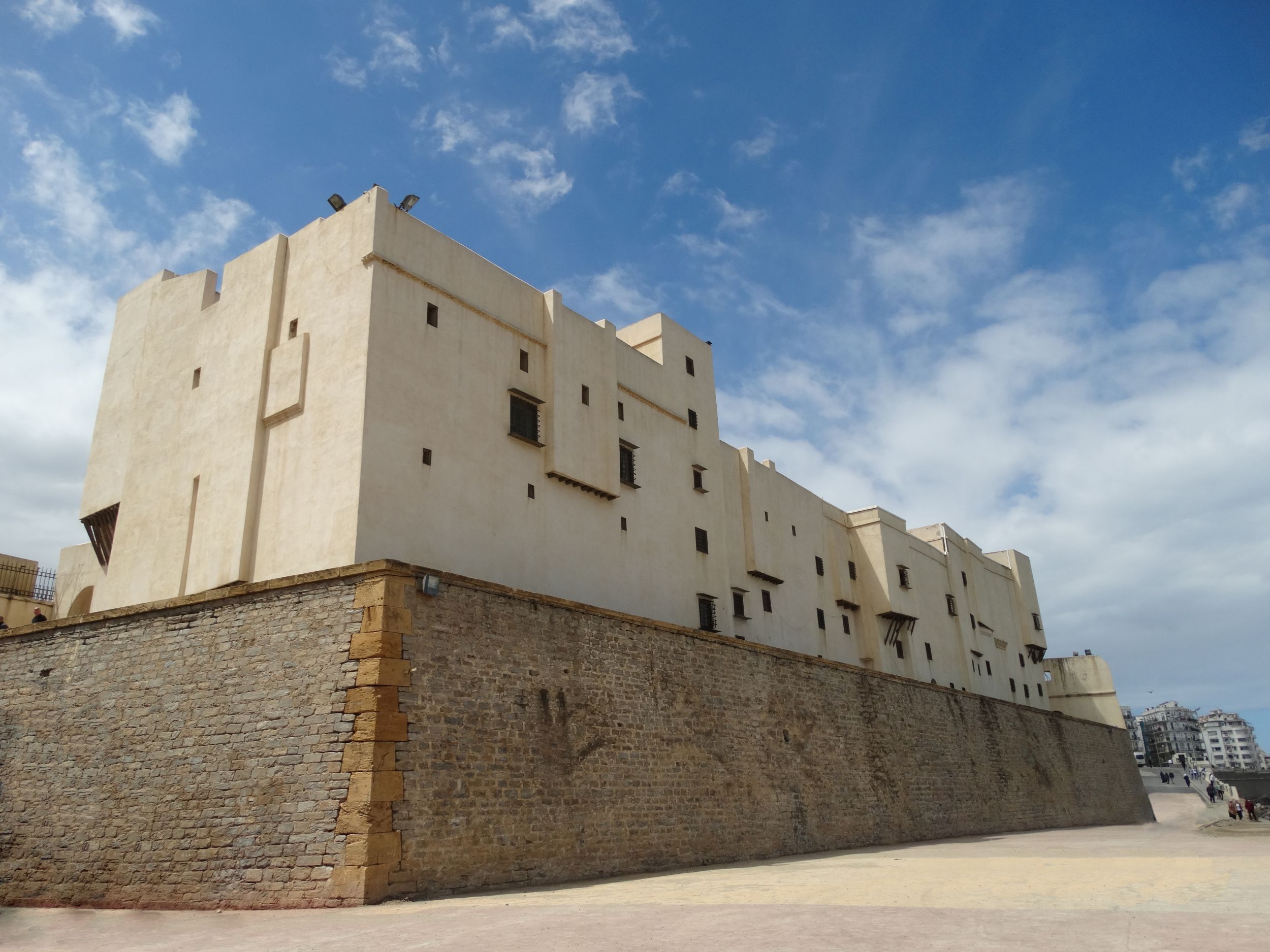
1987
Restoration Works of the Palais des Raïs
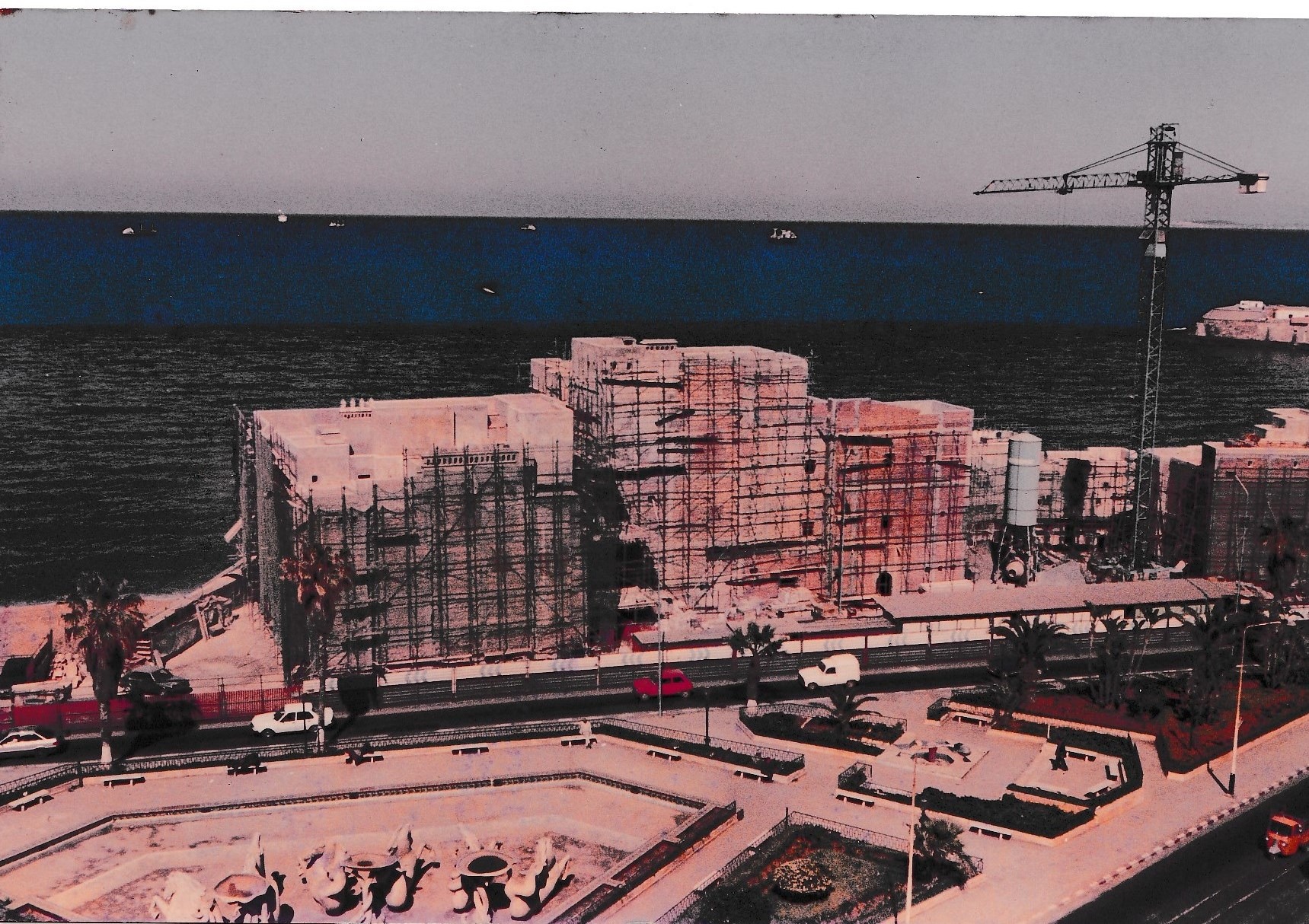
After serving as a residence for several Algerian families, the Palais des Raïs experienced significant deterioration in its state of conservation. In the early 1980s, the Ministry of Culture relocated the occupants to allow for the restoration of the monument. Following extensive studies and on-site assessments carried out by Algerian and Turkish specialists and experts, the restoration project was launched in 1987. The work was entrusted to the Italian company SCI-MBM, in coordination with Algerian experts and under the supervision of UNESCO. The restoration work officially began in 1988.
2022
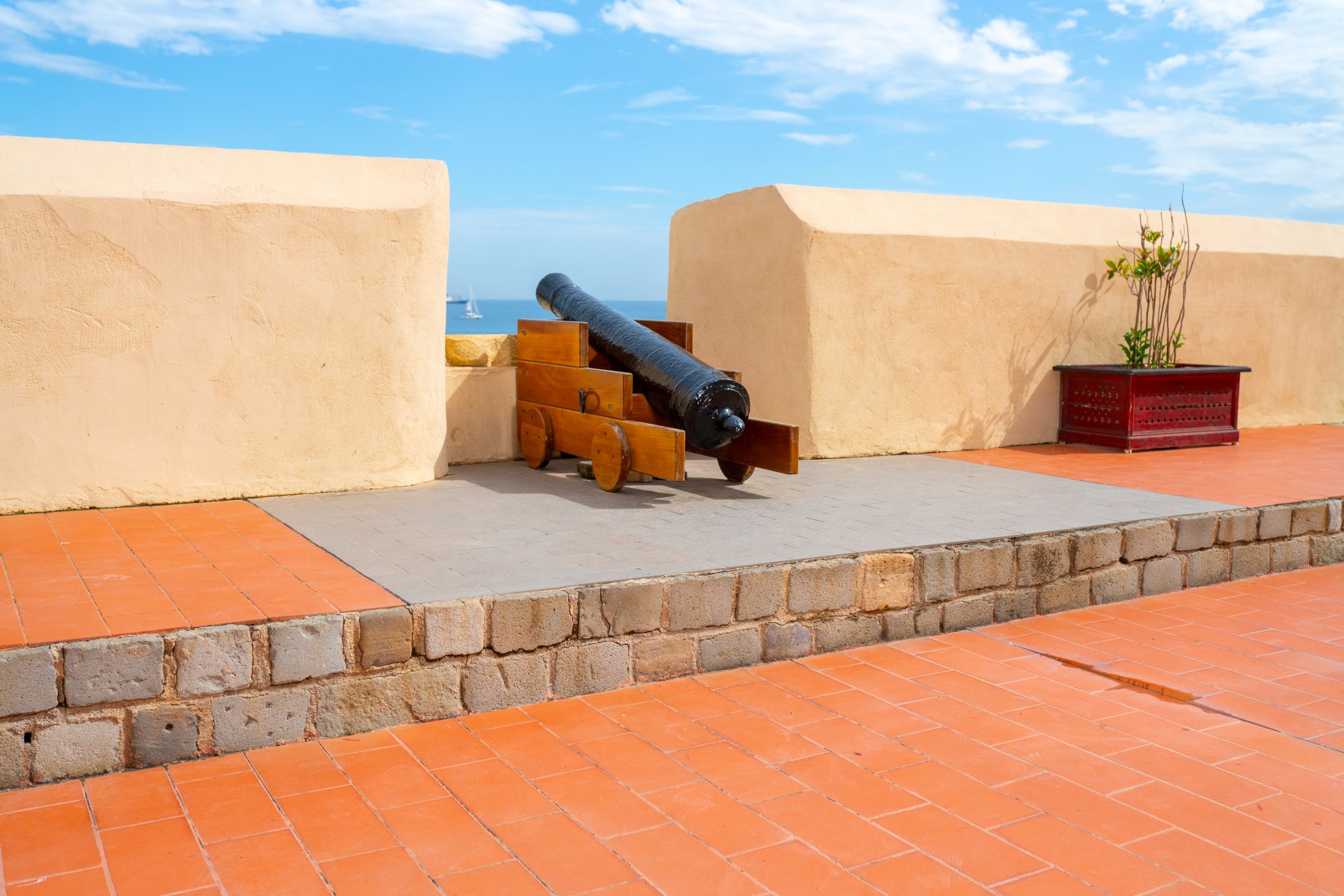
The Cannon
This is a medium-calibre cannon, known as the “Djaâb”, which was used aboard ships to destroy fortifications and defensive walls. It bears inventory number 95 and was restored in 2022 by specialists in heritage conservation and restoration. The cannon consists of an iron barrel measuring 1.90 metres in length. It weighs approximately 480 kg and has a calibre of 90 mm. The barrel is made up of four sections, while the muzzle has a diameter of approximately 9 cm.